Addiction

When you want to break free but keep getting pulled back, I'm here to help

Understanding Addiction

If you're here, you know what it's like to want desperately to stop but find yourself pulled back again and again. The shame cycle that makes everything worse. The feeling that everyone else can just "choose" to stop while you can't seem to figure out what's wrong with you.

But here's what might surprise you: addiction isn't a willpower problem. There are deeper forces that drive addiction. Often, addiction is complicated by other problems such as trauma, anxiety, or depression. Understanding these forces and patterns changes everything.

What you'll discover:

  • Why your brain craves substances and drives destructive behaviors

  • How to understand addiction clinically rather than succumbing to shame,

    hopelessness, and rationalization

  • How other mental health problems interact with and fuel addiction

  • What drives craving, temptation, and relapse

  • How to treat addiction strategically, specifically, and effectively

  • How to enhance and sharpen motivation to change

  • How to build an enduring life of recovery and prevent relapse

It can be so difficult and confusing to again and again use a destructive substance or engage in a behavior that harms us and loved ones.

Misunderstanding addiction can lead to:

  • Thinking that you are simply “choosing” the addictive behaviors

  • Down-playing or rationalizing the addiction

  • Shameful thinking that addiction is a personal failing or character defect

  • Others misunderstanding, judging, or minimizing your problem

Depending on your stage in the process, you can be wondering:

  • If it is really a problem

  • What you want to do

  • How to change it

  • How to make it stick, even if you tried before

I'm comfortable working with addiction in all its forms - substances, behaviors, and the mental health issues that often come with them. Every person teaches me something new, and I believe everyone deserves therapy that addresses the whole picture.


How my approach works

From insight to impact. My process makes it accurate, educational, and effective!

You'll learn to understand your patterns instead of just coping with them.

How my approach works

From insight to impact. My process makes it accurate, educational, and effective!

You'll learn to understand your patterns instead of just coping with them.

1

Map Your Patterns

We use a whiteboard to track your triggers, emotional patterns, and the cycle that leads to use. You'll see exactly how addiction functions in your life.

2

3

1

Map Your Patterns

We use a whiteboard to track your triggers, emotional patterns, and the cycle that leads to use. You'll see exactly how addiction functions in your life.

2

Understand the Why

I'll help you understand your mind like a therapist does. We'll explore what addiction is trying to solve and what deeper needs aren't being met.

3

Heal the Root

You'll learn to address the underlying issues that drive addiction, building genuine coping skills and healing the patterns that keep pulling you back.

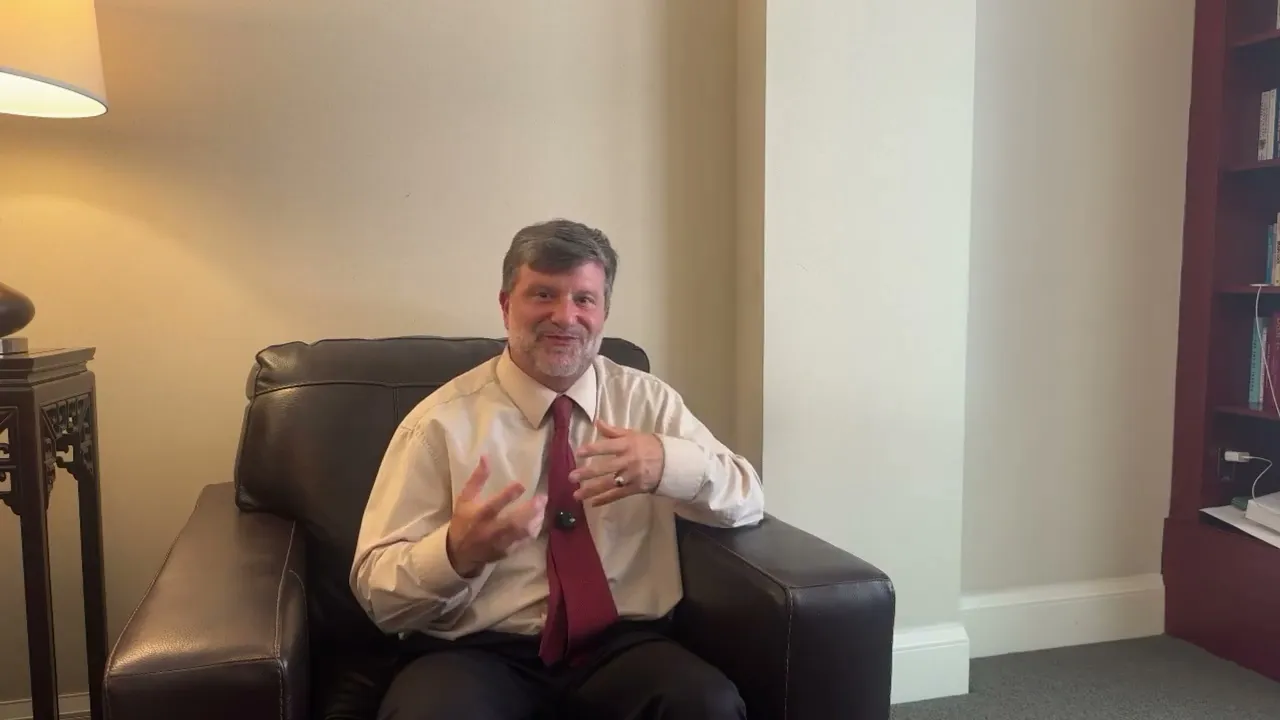
Welcome, let me introduce myself!

Dr. Mark Balabanis PhD

I'm a Cognitive Behavioral Therapy (CBT) Psychologist in practice for over 20 years.

I like to teach the "why" and the "how it works" behind your difficulties. This allows you to feel empowered to join me as a co-therapist while being supported and coached by me.

Lectured at:

The benefits

Signs This Approach Could Help You

Most therapy teaches you to cope with symptoms. I teach you to understand why your mind creates them in the first place.

Previous treatment experiences:

  • Treatment focused on one-size fits all ideology

  • You've been unsuccessful by yourself, been put off by programs, or

    tried multiple programs without lasting change

  • Recovery treatment didn’t address your mental health issues

  • You were not ready to commit or were subjected to confrontation or shame

Current struggles:

  • You keep relapsing despite wanting to stop

  • Addiction is harming your relationships or career

  • You use substances or behaviors to cope with emotional pain

  • You feel like other problems complicate your addiction

Readiness for change:

  • You're ready to understand what drives your addiction

  • You want an action plan for long-term change, not just stop temporarily

  • You're willing to examine underlying trauma or mental health issues

  • You're looking for a therapist who understands addiction and won't judge your relapses

The difference

Blending talk and interactivity for better success

The difference

Blending talk and interactivity for better success

Talk Therapy

Talk and epression for its own sake

Talk and epression for its own sake

Explores how you feel

Explores how you feel

You talk and your therapist listens

You talk and your therapist listens

Non-directive

Non-directive

My Approach

Personalized Plans

Personalized Plans

Learn how you can change how you feel

Learn how you can change how you feel

We actively work together

We actively work together

Goal-oriented

Goal-oriented

In-person and Remote

In-person and Remote

1 Hour session

1 Hour session

A blend of talk and active therapy

A blend of talk and active therapy

Continued ongoing support

Continued ongoing support

Frequently asked Questions

Need some frequently asked questions here

Do you treat behavioral addictions?
Is complete abstinence always the treatment goal?
Is CBT compatible with other recovery resources, such as 12-step programs?
Do you prescribe substitution therapy medications, such as opioid replacement therapy?
Do you treat food addictions?
I’m a family member of someone with addiction. Can you help if they’re not ready for treatment?
CBT Oakland, CA

Dr. Mark Balabanis

© 2025. CBT Oakland, CA

CBT Oakland, CA

Dr. Mark Balabanis

© 2025. CBT Oakland, CA

CBT Oakland, CA

Dr. Mark Balabanis

© 2025. CBT Oakland, CA

Create a free website with Framer, the website builder loved by startups, designers and agencies.